Collected accounts of the luminous visitors called Veylborn: their appearances, the help attributed to them,
and the questions they leave behind. These notes preserve what travellers, healers and keepers of libraries
have witnessed, together with the traditions by which Aethorians try to understand them.
Concerning the Veil and Its Visitors
Across Aethoria, people speak of figures who appear in light, answer a need, and fade before their listeners have finished asking questions. We call them Veylborn. A healer may welcome one as an old companion, a sailor offer thanks, and a scholar spend the next month deciding whether the encounter was recorded correctly.
The name recalls the Veil, the unseen boundary that tradition places between our world and theirs. Some describe a country beyond it; others a spiritual presence within the land. I use the word here as our inherited name for a mystery. The accounts offer glimpses, voices and effects upon the world, while leaving the country of their origin concealed.
Appearance and the Difficulty of Looking
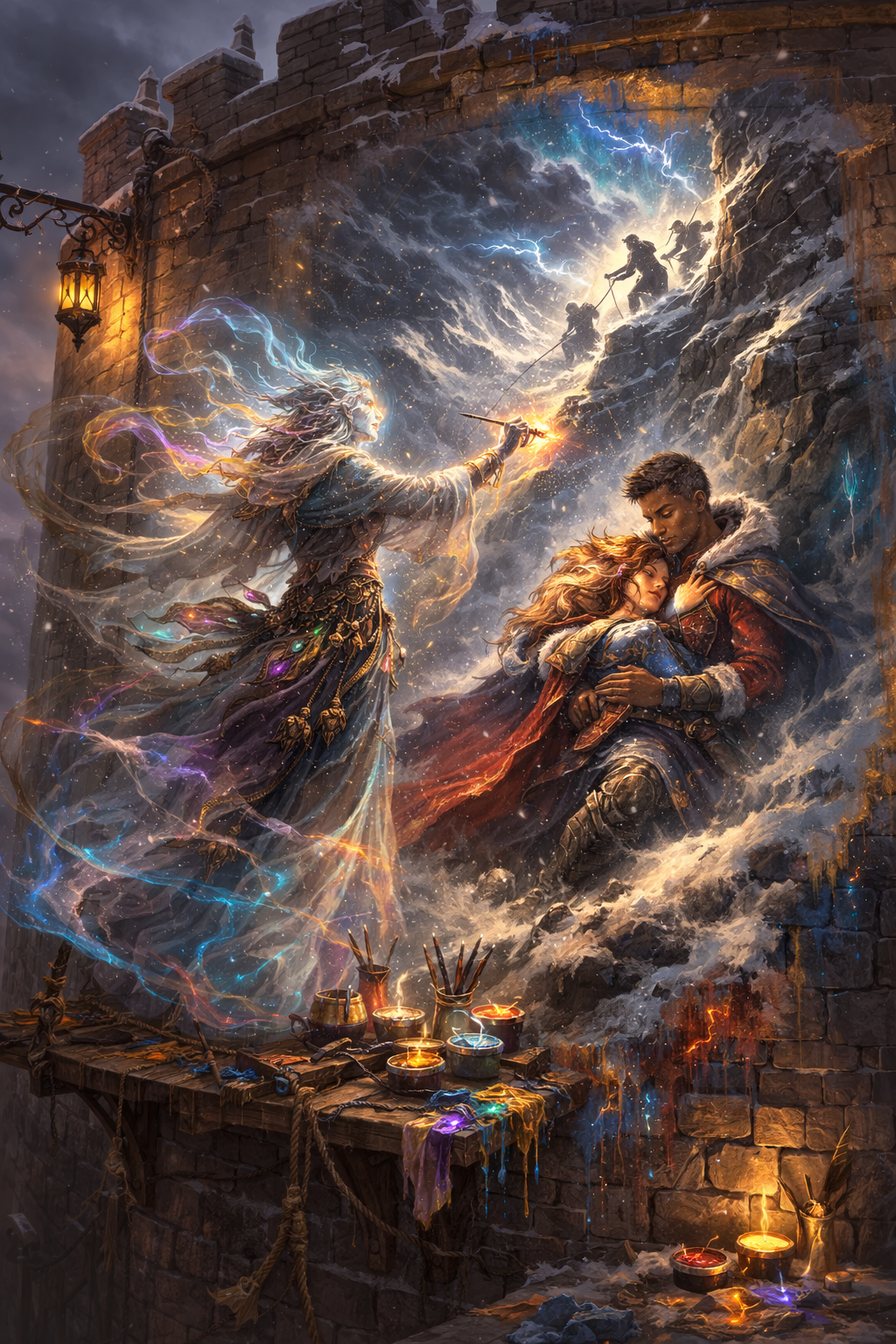
Witnesses commonly describe pale, golden, blue or greenish light taking a roughly human shape. The outline may sharpen for a moment, lose an arm or its lower half, and gather together again. Some figures drift above the ground; others appear beside a listener without any visible passage across the intervening space.
The resemblance to a person can be striking, yet attempts to examine the figure closely often end in confusion. Eyes seem to look through the observer, gestures continue toward an empty corner, and a voice may remain after the shape has faded. An incomplete view is easily mistaken for a complete description.
Crystals, Trees and Places of Encounter
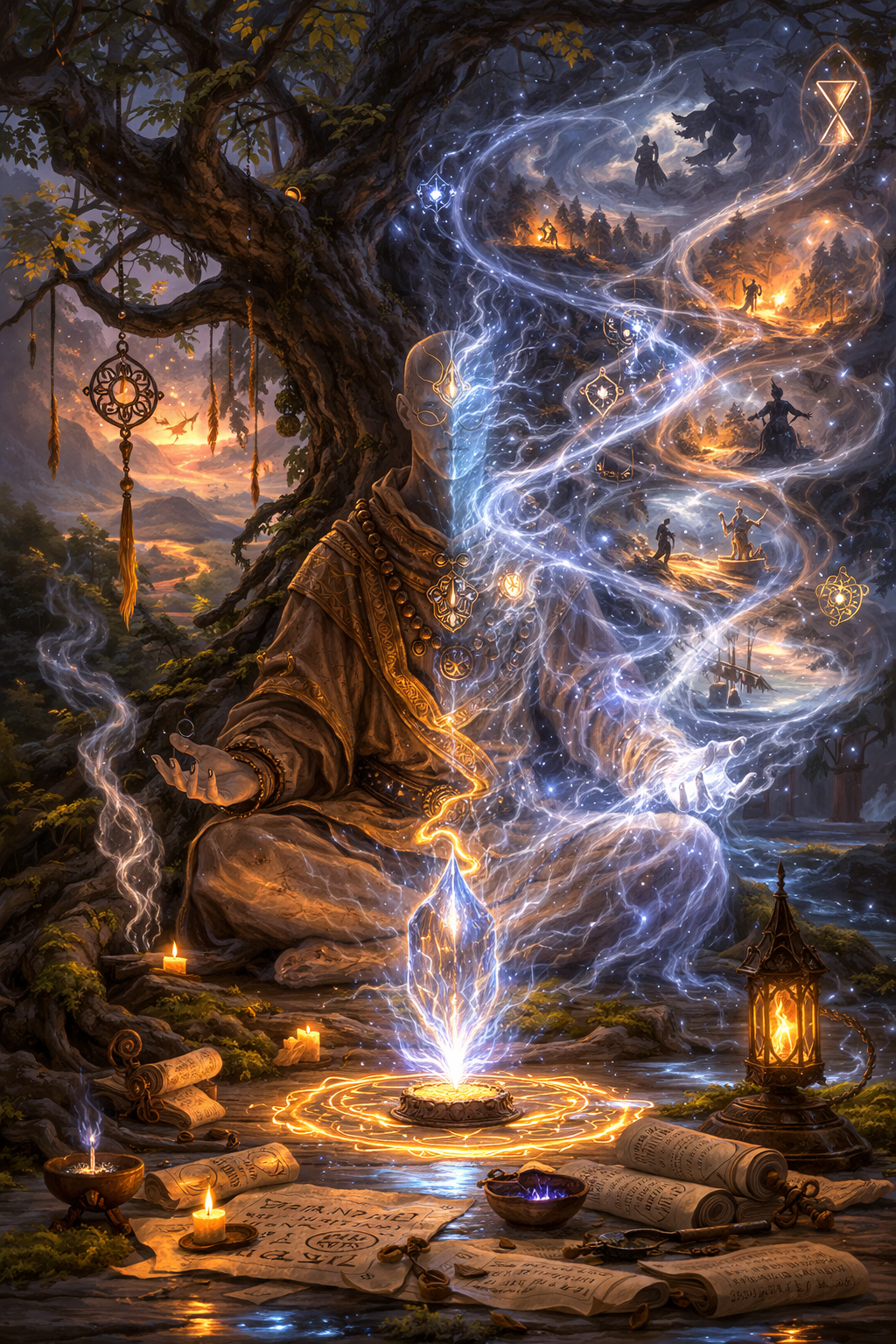
Many reports associate appearances with charged crystals, aethoria trees, ancient shrines and the workings of old towers. Healers in the Virielia Bloomlands speak of the attraction of Veylborn to plants and crystals. In Luminary Prime, the Library of the Astryx Arcanum preserves traditions of visitors among its guarded collections and great living tree.
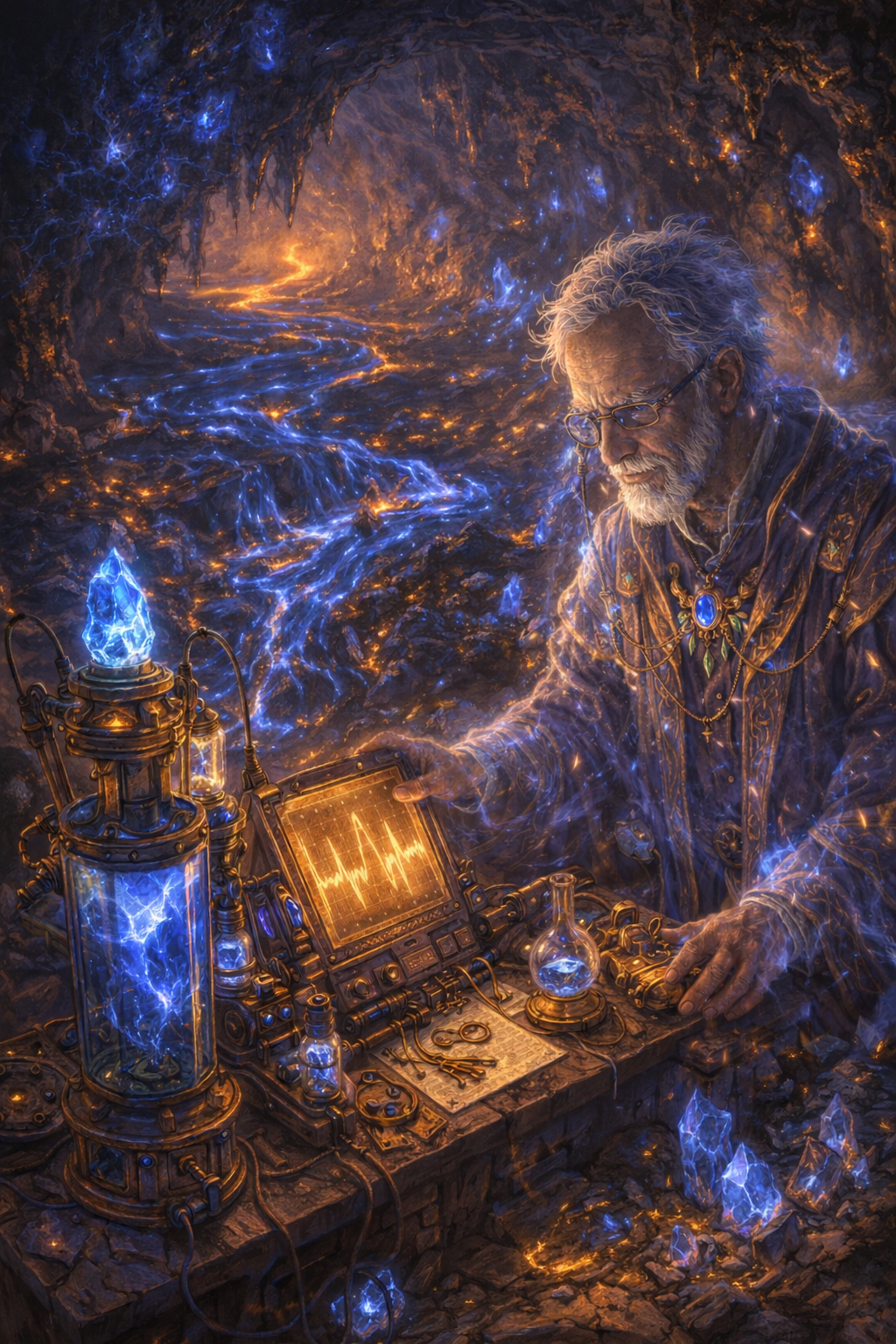
Kefar’s crystals and the installations in the Alfadin Mountains likewise draw the attention of those collecting such accounts. A crystal may brighten, vibrate or lose its charge near an appearance. These observations suggest that available power matters, though an abundance of it can accompany distress as readily as a clearer presence.
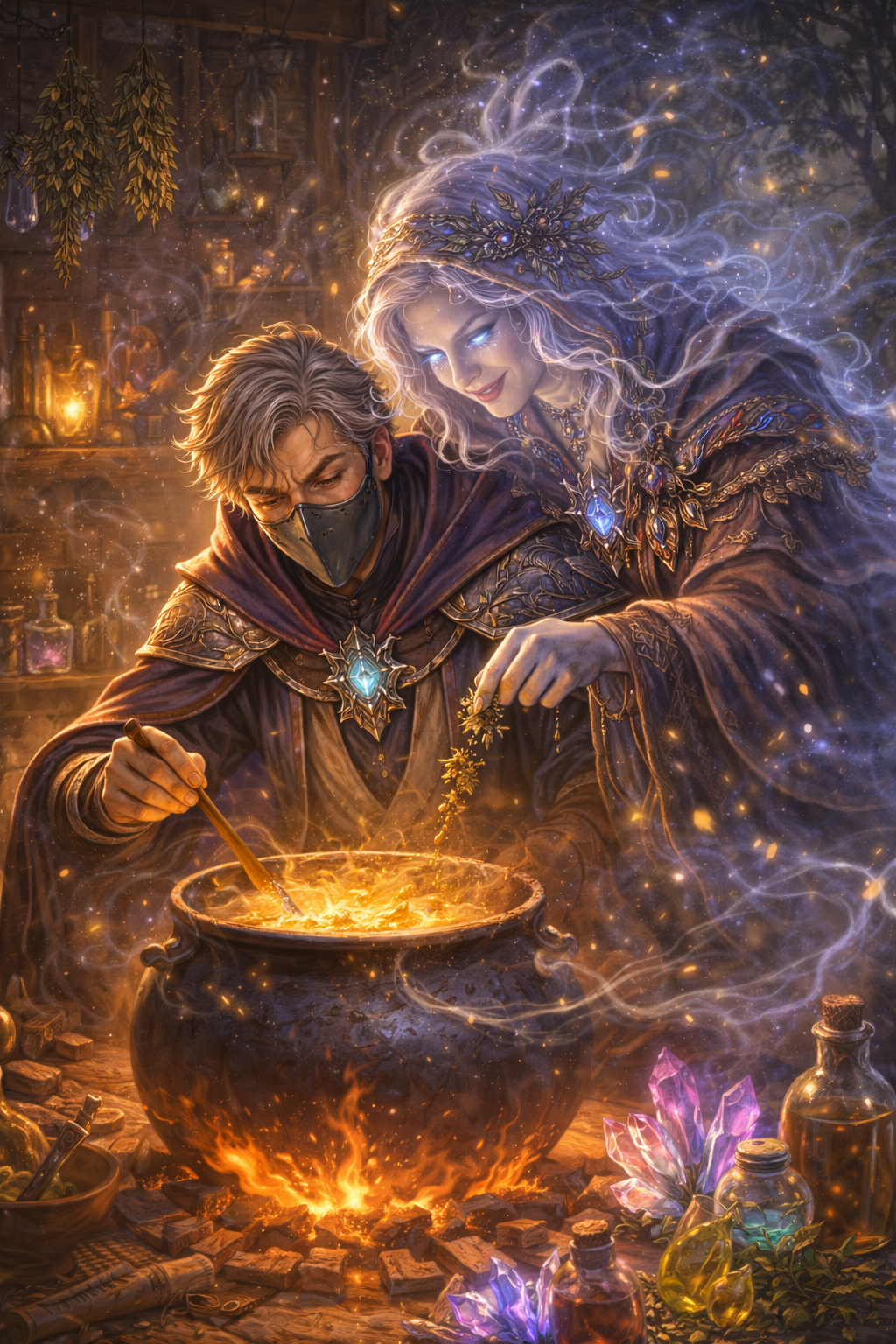
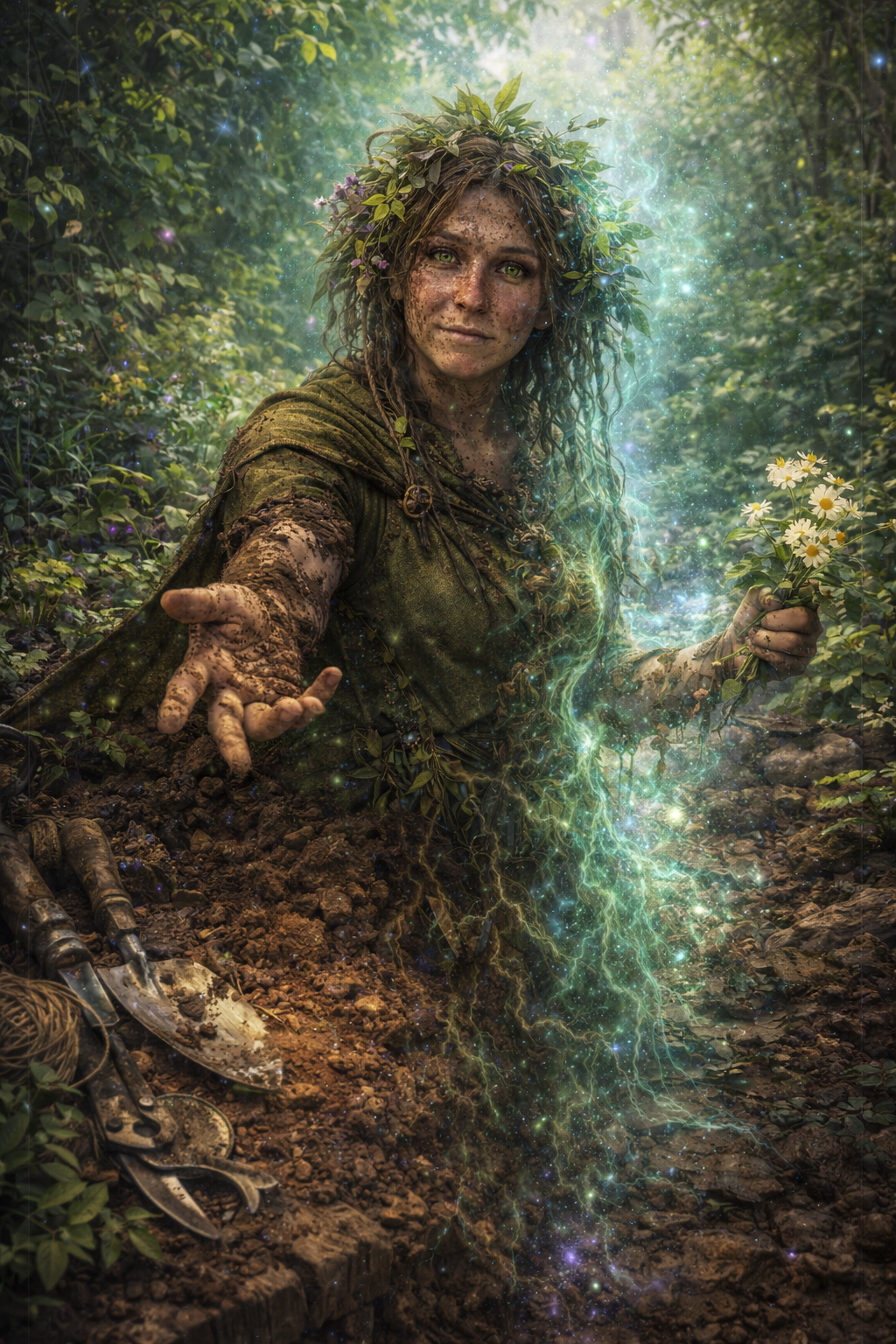
Rintaron relates that Gertina appears when help is needed and energy is available, and that she speaks of borrowing rather than creating power. At Alfadin, an excessive pulse disturbed her. Among overgrown plants elsewhere, her light has accompanied striking changes in roots and leaves. Such accounts deserve comparison before we settle upon a single explanation.
Speech, Attention and Memory
A Veylborn may understand an ordinary request and answer with words that leave every listener bewildered. Sentences break apart, voices change pitch, and familiar terms arrive in unfamiliar combinations. Reports from tower chambers also describe a voice and a gesture arriving out of step with one another.
Some witnesses believe these visitors perceive events beyond the present moment. Others suspect that we hear only fragments of a longer conversation. A remark that seems prophetic may be a warning drawn from signs we missed; a seemingly irrelevant answer may belong to a question the speaker thought we had asked. I record the words as carefully as the circumstances allow.
Companionship and Invocation
Lasting companionship is possible. Rintaron has travelled with Gertina for years, and knows habits that a passing observer would overlook. Such familiarity offers no simple rule for commanding an appearance. Even an old companion can become distant, distressed or unable to remain visible.
Invocations are taught in several traditions. Their success varies: a call may go unanswered in training and receive a sudden response in danger. During one reported appeal to Dorlita, a blue crystal cracked and dissolved into light before a woman appeared. The incident gives reason to handle such attempts with care.
Assistance and Its Limits
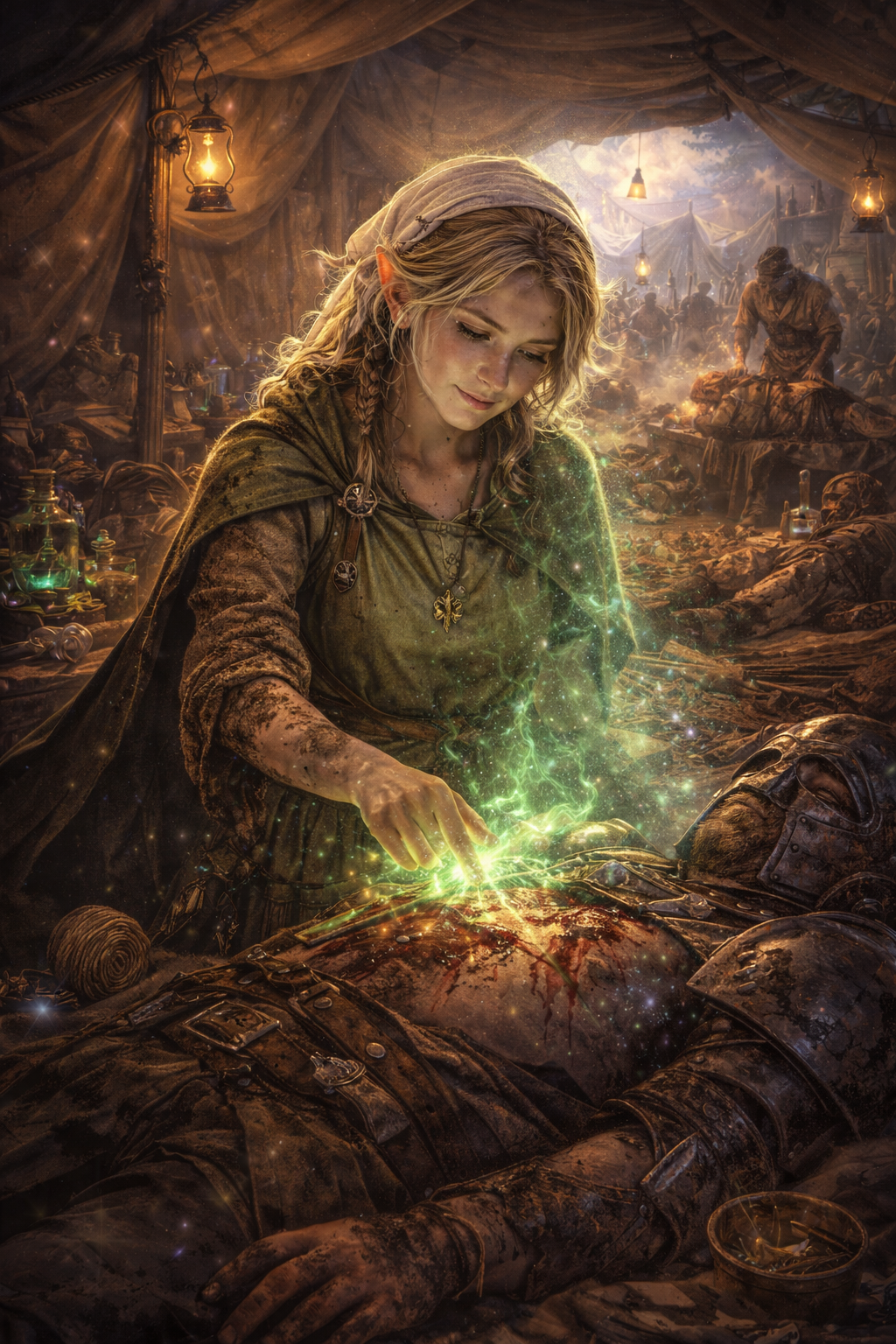
The named visitors are remembered for useful acts: guiding a healer, quieting frightened beasts, attending plants, preserving a text or helping a traveller find something lost. These associations give our entries their familiar titles. They are the work by which a visitor is known among us, rather than a complete account of that visitor’s nature.
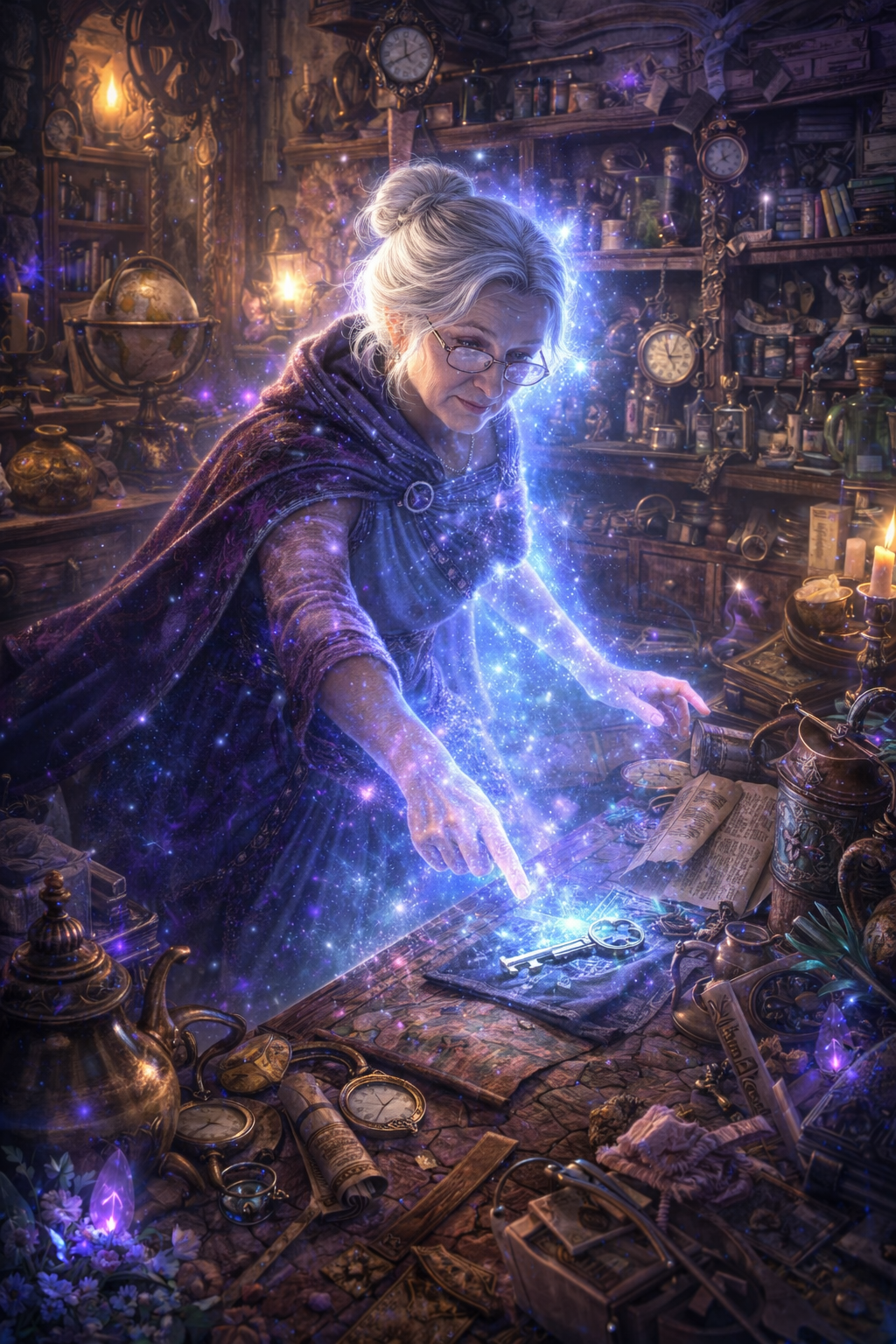
Library tradition sometimes names Master Minz among the enduring keepers associated with the Veylborn. Accounts of long service, unusual appearance and a visitor’s resemblance to a mortal should be preserved with their circumstances. A name repeated through generations may carry more than one interpretation.
Fading and Return
The loss of an appearance troubles those who have come to depend upon it. A figure may flicker, break into sparks or vanish during a disturbance, then be reported again at a distant site. The disappearance alone tells us little about the visitor’s fate.
For future scholars, I recommend recording the light of nearby crystals, changes in plants or animals, the visitor’s exact words, and the length of the encounter. A carefully kept account may become useful long after its writer has ceased trying to explain everything in it.
“Write what you witnessed; leave room for what you could not see.”